chickadee in tree

Do you love birds in your garden? Check out new WNY site

by Connie Oswald Stofko Learn more about the birds that visit your garden with the new website Birds on the Niagara Frontier. It is designed to promote interest in birding and wildlife conservation in Western New York and Southern Ontario. The site was created by Gerry Rising, retired University at Buffalo math professor who has been bird watching for more than 80 years, and Michael Noonan, a retired Canisius College professor of Animal Behavior who has produced a dozen films that…...

Membership Required

You must be a member to access this content.

View Membership Levels

Already a member? Log in here
Climate change illustration

Buffalo, Erie County become Certified Climate Smart Communities

The City of Buffalo and Erie County are the newest municipalities in Western New York to be become Certified Climate Smart Communities. They were recognized for the steps they have taken in reducing greenhouse gas emissions and building climate resilience. The Climate Smart Community program provides guidance and technical support to local governments to take locally driven climate action. What Buffalo, Erie County accomplished Buffalo’s Green Code is an example of climate-smart land use. The city has installed electric vehicle…...

Membership Required

You must be a member to access this content.

View Membership Levels

Already a member? Log in here
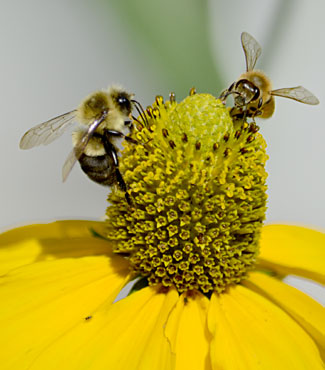
two bees on a flower

Good news for bees, plus more from Master Gardeners

Due to the much publicized and well researched problems caused by neonicotinoids, the Environmental Protection Agency has banned 12 pesticides because of the harmful effect neonicotinoids have on bees, according to “Good News for Bees and the Environment” by Lyn Chimera. Unlike traditional pesticides, “neonics” are systemic, meaning that when taken up by the root system, the entire plant becomes toxic to insects. That article is one of the three articles in this month’s edition of WNY Gardening Matters, produced by…...

Monthly Subscription Membership Required

You must be a Monthly Subscription member to access this content.

Join Now

Already a member? Log in here
giant hogweed from NYS DEC

What to do if you spot giant hogweed in Western New York

by Connie Oswald Stofko A reader from Eden contacted me last week because he had spotted giant hogweed and wanted to know how to report it. I’m so glad he remembered seeing information about giant hogweed previously on this site. This is a seriously dangerous plant. It can cause severe skin and eye irritation, including painful burns and permanent scarring. Getting even a tiny amount of the sap in your eyes can cause temporary or permanent blindness. See more here…....

Monthly Subscription Membership Required

You must be a Monthly Subscription member to access this content.

Join Now

Already a member? Log in here
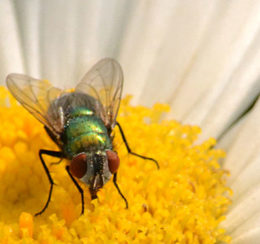
fly on daisy

Tips on gardening for pollinators

When we think of pollinators, we usually think of bees. But any animal that carries pollen from one plant to another as they collect nectar is a pollinator. This includes hummingbirds, bats, beetles and even flies. More than 75 percent of all flowering plants are pollinated by animals. Since this is National Pollinator Week, we’re sharing some gardening tips on how you can help pollinators. This information comes from the New York State Department of Environmental Conservation (DEC) and the…...

Monthly Subscription Membership Required

You must be a Monthly Subscription member to access this content.

Join Now

Already a member? Log in here
reuse plastic container to protect garden plants

Can’t recycle those items anymore? Use them in your garden

by Connie Oswald Stofko Now that we can’t recycle as many kinds of items as we did before, can we find ways to reuse them in our gardens? We already use lots of odds and ends in our gardens, but today let’s reach a little higher. Let’s look specifically at items that you can’t recycle anymore — items that get thrown in the trash and end up in a landfill. And let’s look at things that you were throwing into…...

Monthly Subscription Membership Required

You must be a Monthly Subscription member to access this content.

Join Now

Already a member? Log in here
monarch caterpillar

If you want butterflies, garden for caterpillars

If you want butterflies to stick around your garden longer, it’s not enough to think about gardening for butterflies. You need to think about gardening for caterpillars, too, said David O’Donnell of Eastern Monarch Butterfly Farm. You can find his article and more in the Spring 2019 edition of the Pollinator magazine. It is published by the Pollinator Conservation Association, which is based in Western New York. Butterflies have a mission, O’Donnell explained. In addition to keeping themselves nourished by…...

Monthly Subscription Membership Required

You must be a Monthly Subscription member to access this content.

Join Now

Already a member? Log in here

North Tonawanda Botanical Garden shares tips on standing water & more

by Connie Oswald Stofko How can you deal with standing water in your yard? What can you plant to attract birds and butterflies? The North Tonawanda Botanical Garden Organization wants to share what they know about these topics and more. “Our ultimate focus is community education,” said Laura Pecoraro, secretary. The group, which became a nonprofit in July 2018, is in its fourth year of rehabilitating a long-neglected park. It’s located at 1825 Sweeney St., North Tonawanda, along the Tonawanda…...

Monthly Subscription Membership Required

You must be a Monthly Subscription member to access this content.

Join Now

Already a member? Log in here

How to dispose of invasive or dangerous plants

by Connie Oswald Stofko In response to a previous article on lesser celandine, an invasive plant that can take over your yard, a reader left a comment with this question: What to do with the dug ups??? Same problem I have when removing poison ivy. Where can you put it that it doesn’t cause more problems? The best way to dispose of invasive plants or dangerous plants is to carefully place them in a plastic bag and set the bag…...

Monthly Subscription Membership Required

You must be a Monthly Subscription member to access this content.

Join Now

Already a member? Log in here
lesser celandine in Amherst NY

Lesser celandine: Take steps now to get rid of it!

by Connie Oswald Stofko We have talked about lesser celandine for several years, yet I see more and more of it in my neighborhood. If you see this pretty little plant in your yard, get rid of it! And tell your neighbors to get rid of it, too. If you don’t get rid of when you have just a few plants, it can take over your yard. Plus, it can get into wild areas and create havoc there. Lesser celandine…...

Monthly Subscription Membership Required

You must be a Monthly Subscription member to access this content.

Join Now

Already a member? Log in here