composting poster 2018

Compost poster contest seeks entries by Nov. 5; prize is $500

The International Compost Awareness Week Committee is offering a prize of $500 to the winner of the poster contest promoting International Compost Awareness Week, which will be held May 5 -11, 2019. The theme for the poster will be “Cool the Climate – Compost!” The contest is open to anyone from ten years old to adult. There are three contest divisions: grades 3-7, grades 8-12, and college – adult. The best from each division will be entered into the final contest. The…...

Monthly Subscription Membership Required

You must be a Monthly Subscription member to access this content.

Join Now

Already a member? Log in here
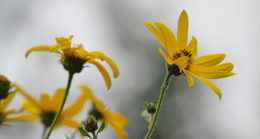
sunchokes in Western New York

Septembers are getting warmer in most of WNY; what gardeners can do

by Connie Oswald Stofko If you were still running your air conditioner on Friday, you won’t be surprised to hear that so far September was 6 degrees warmer than normal in Buffalo. That information comes from Dan Kelly, meteorologist with the National Weather Service in Buffalo. While that data goes from Sept. 1 to the end of yesterday (Sept. 24), we are now in for a cooling period with more normal temperatures, he said. But we should probably expect this as…...

Monthly Subscription Membership Required

You must be a Monthly Subscription member to access this content.

Join Now

Already a member? Log in here
Mile-a-minute vine

Look out for mile-a-minute vine, called ‘kudzu of the north’

by Connie Oswald invStofko People are calling mile-a-minute vine “the kudzu of the north.” That’s scary because kudzu is known as “the vine that ate the south.” Mile-a-minute vine (Persicaria perfoliata) can grow as much as six inches per day and more than 20 feet per year. It has small, recurved barbs along its stem that allow it to grow over vegetation such as tree seedlings and smother them. It can have a negative effect on tree farms, forestry operations and the reforestation of natural areas. Mile-a-minute…...

Monthly Subscription Membership Required

You must be a Monthly Subscription member to access this content.

Join Now

Already a member? Log in here
jumping worm Amynthas

New threat: jumping worms. Are they already in WNY?

by Connie Oswald Stofko UPDATE MAY 2021: Jumping worms have been identified in Erie County and may be in other parts of Western New York, too. See the article here.  There’s a new threat to Western New York gardens: jumping worms. They’re bad for your garden, and they can really screw up the ecosystem of forests. Jumping worms (so named because they jump and thrash when handled) can change the consistency of soil, making it granular and grainy, like coffee grounds. That…...

Monthly Subscription Membership Required

You must be a Monthly Subscription member to access this content.

Join Now

Already a member? Log in here
pest and weeds in spring

6 pests & weeds to watch out for during spring in WNY

  by Connie Oswald Stofko Now is the time that certain troublesome insects and weeds can show up in your garden, and now is the time to take action. Today we’ll talk about six insects and weeds to watch out for in spring: red lily leaf beetle, ticks, mosquitoes, lesser celandine, creeping Charlie and crabgrass. Red lily leaf beetle Calls have started coming in from gardeners who have spotted the red lily leaf beetle, so it’s time to look closely…...

Monthly Subscription Membership Required

You must be a Monthly Subscription member to access this content.

Join Now

Already a member? Log in here
map of climate zones in Western New York

Our growing season is longer: What gardeners need to know about climate change in WNY

by Connie Oswald Stofko Our growing season in Western New York is longer than it used to be– two weeks longer than it was in 1965, according to Stephen Vermette, professor of geography in the Department of Geography & Planning at Buffalo State College. Now the growing season starts about a week earlier in spring and lasts about a week longer in autumn. This is just one of the findings of Vermette’s research into how climate change is affecting Western…...

Monthly Subscription Membership Required

You must be a Monthly Subscription member to access this content.

Join Now

Already a member? Log in here