The Lunenfeld Beautification Grants provided new ways to support community gardening this year, with happy results….
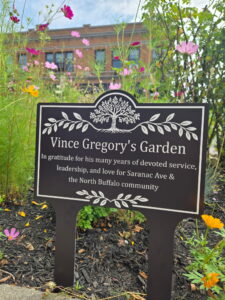


The Lunenfeld Beautification Grants provided new ways to support community gardening this year, with happy results….
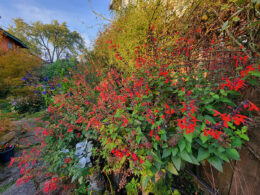
A shift to colder, darker nights brings a new list of dos and don’ts in the fall garden. …

Whether we use our eyes or our backs, autumn is a busy time for plant and nature lovers….

What to focus on in the fall garden to keep your last chances from being lost ones….

Meg Kelly is the new executive director of Grassroots Gardens WNY….
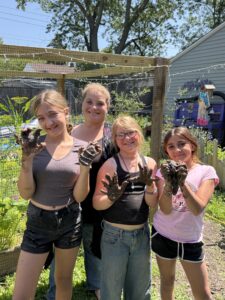
Lindsay Dzielski’s family tends their garden with a healthy dose of play….
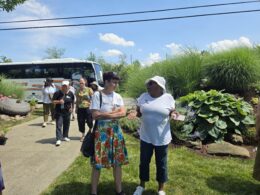
Western New York gardeners are a dedicated bunch, and with the Gardens Buffalo Niagara’s (GBN) season officially underway, every day counts….

by Connie Oswald Stofko Algae are important in our creeks, ponds and other waterways in Western New York. But when algae grow out of control—or blooms—that’s a big problem. Harmful algal blooms (HAB) can produce toxins that make fish, pets and people sick. But gardeners can help prevent HABs. Conditions that create harmful algal blooms HABs are happening more often in Western New York as our climate continues to warm and extreme weather events increase, according to Buffalo Niagara Waterkeeper…....

by Connie Oswald Stofko Get a free native plant, hear the author of The Humane Gardener, and find out more about how you can create a wonderful garden that works with nature rather than against it. It’s all part of the event Plant for Nature! to be held from 10 a.m. to 3 p.m. Saturday, June 4 at the WNY Welcome Center, 1999 Alvin Rd., Grand Island. It is hosted by the Citizen Coalition for Wildlife and Environment, which received a…...

To keep our Western New York waterways clean, go phosphorus-free when using lawn fertilizer and “Look for the Zero.” On a fertilizer bag, you’ll see three numbers. The number in the middle is for phosphorus. For lawns, choose a fertilizer that has a zero in the middle. Excess phosphorus is a threat to many New York waterbodies, triggering algae blooms and sometimes rendering waters unswimmable and unfishable, according to the New York State Department of Environmental Conservation (DEC). That’s why…...

© 2026 Buffalo-Niagara Gardening. All rights reserved.