other path at Jen Weber's gardens

Nothing like an outdoor wedding to jumpstart a backyard makeover

by Connie Oswald Stofko Jen and Joe Weber moved their family into their new home three years ago. When they got there, they found that the previous owners had planted bishop’s weed (also called goutweed), a nasty, very aggressive plant that spreads easily and is hard to get rid of. The bishop’s weed is still there, stretching 66 feet along one side of the house. Other projects, such as fixing “the path to nowhere,” haven’t been started yet, either, and…...

Membership Required

You must be a member to access this content.

View Membership Levels

Already a member? Log in here
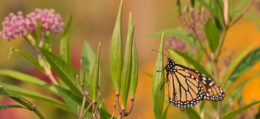
monarch on milkweed

Is a plant from South America better than a cultivar in WNY?

by Connie Oswald Stofko A reader contacted me regarding a previous article on zinnias. The reader wanted native zinnias, and the zinnias described in the article were all cultivars, not native plants. No one around here sells native zinnias because zinnias aren’t native to Western New York. In the United States, zinnias are native only to the Southwest. Their range stretches all the way to South America. My reader replied: “I understand this, but they are at least native to…...

Membership Required

You must be a member to access this content.

View Membership Levels

Already a member? Log in here
bear in Batavia backyard

Bear sighted in Batavia; what to do if you see one

by Connie Oswald Stofko A bear was spotted walking through a resident’s yard in Batavia last week. You can see the resident’s video here. This isn’t the first sighting of bears in populated areas of Western New York. I wrote about bears that were seen in Cheektowaga and Lancaster (suburbs of Buffalo) in 2020. The New York State Department of Environmental Conservation (DEC) said then that they had begun to see a rise in reported sightings of black bears in…...

Membership Required

You must be a member to access this content.

View Membership Levels

Already a member? Log in here
fawn in tall grass

Baby wildlife: If you care, leave them there

Every year, people scoop up young wild animals thinking the animals are orphaned or neglected. They take the young animals to a wildlife rehabilitator, or worse, attempt to raise the young animals themselves. In many cases, this is unnecessary or even harmful, according to this page from the New York State Department of Environmental Conservation (DEC). The most common young animals to be mistakenly “kidnapped” by humans are fawns, cottontail rabbits and fledgling birds. It’s important to understand the normal behavior for these…...

Membership Required

You must be a member to access this content.

View Membership Levels

Already a member? Log in here
squirrel at bird feeder in rain in Amherst NY

Count birds & mammals in FeederWatch

FeederWatch is a November-April survey of birds—and now mammals!—that visit backyards, nature centers, community areas and other locales in the United States and Canada.  Despite the name, you don’t need a feeder. All you need is an area with plantings, habitat, water or food that attracts birds.  You can participate from inside looking out a window. The schedule is completely flexible. Count your birds for as long as you like on days of your choosing, then enter your counts online.   The…...

Membership Required

You must be a member to access this content.

View Membership Levels

Already a member? Log in here
spangled fritillary butterfly, red leaf, and bumble bee

Use the leaves, leave the leaves, or rake to curb?

by Connie Oswald Stofko Where do our pollinators go in the winter? A lot of them stay right here in Western New York. You may have created a welcoming habitat for them in spring, summer and autumn with native plants. Now it’s time for us to create a welcoming habitat for them during winter. It’s easy, too! Just leave the leaves. Why leave the leaves? We need pollinators, and pollinators need those fallen leaves in order to survive over the…...

Membership Required

You must be a member to access this content.

View Membership Levels

Already a member? Log in here
squirrel at bird feeder in rain in Amherst NY

Tips for dealing with squirrels in WNY

by Connie Oswald Stofko Why is it so hard to keep squirrels away from your bird feeder? It’s because they’re amazing acrobats! Researchers compiled this video showing just how nimble squirrels are. It’s fascinating! There are a couple things you can try if you want to keep squirrels out of your bird feeder. BirdNotes from the Cornell Lab of Ornithology offers suggestions on the best spots to position the feeder in your yard. Special bird feeders and other equipment might…...

Membership Required

You must be a member to access this content.

View Membership Levels

Already a member? Log in here
bee on ironweed flower

Help the pollinators so they can help your plants in Western New York

Cornell Cooperative Extension of Chautauqua County’s Master Gardener Program is celebrating National Pollinator month by sharing information and resources to help create a garden for your favorite pollinators. by Shannon Rinow, Master Gardener Coordinator, Chautauqua County Butterflies and honeybees may come to mind when you think of pollinators, but pollinators also include wild native bees (there are 450 native species of bees in New York State), beetles, moths, bats, wasps, birds, specialized flies and other beneficial insects. They all play an important…...

Membership Required

You must be a member to access this content.

View Membership Levels

Already a member? Log in here
bee dandelions violets

No Mow May: what people in WNY are doing & why

by Connie Oswald Stofko We talked about No Mow May in an article last year. The idea is to take a break from mowing your lawn until the end of May. That way, you’re allowing plants in your lawn to flower, providing early food for bees and other pollinators. “But it’s just a starting point,” said Matthew Shepherd, director of Outreach & Education at the Xerces Society. “We want to see landscapes transformed. We want lawns that are less manicured, where…...

Membership Required

You must be a member to access this content.

View Membership Levels

Already a member? Log in here
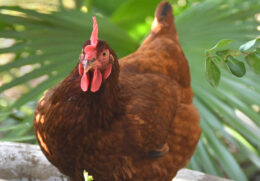
Rhode Island Red hen

Eggs are pricey: Is now a good time to start raising chickens in WNY?

by Connie Oswald Stofko Everyone is talking about how expensive eggs are in Western New York, so maybe this a good time to start raising a few egg-laying hens in your backyard. On the other hand, a big reason for the increase in the price of eggs is avian flu, a deadly disease for poultry. Maybe this is a bad time to start raising laying hens. “There’s not any good or bad time to begin to raise chickens,” said Amy…...

Membership Required

You must be a member to access this content.

View Membership Levels

Already a member? Log in here