


By Lauren Newkirk Maynard
Remote garden care in the summer is primarily an irrigation issue. Heat and drought can make some established flowers, vegetables, shrubs and even trees feel stress, and that can lead to dropped leaves and a weaker plant overall.
Make sure you have plans to water BEFORE you leave, as well as occasionally during your time away.
Preparation is key
Prep your garden beds by keeping them mulched, especially around new plantings; mulch helps retain moisture when it does rain, and keeps weeds down so you don’t return to a forest of seedlings.
Water deeply—for an hour or so with a soaker hose if possible—several times leading up to your travels. Water this way more often the longer the garden will be left alone, but try to water deeply once beforehand regardless of how long you’re away.

Laura Formaniak, assistant manager at Lockwood’s Garden Center in Hamburg, recommends soaker hoses for dry-weather watering. “They get water down into the earth near the roots.”
No matter what you use—sprinklers, watering cans or, my preference, a long wand on shower mode—give each plant several minutes of water at the roots. Try not to water the blooms and foliage, which leads to evaporation and may also promote fungal growth and diseases.
You can set most hose sprayers to stay on a constant dribble, placing the nozzle directly by the base of plants, shrubs and trees for several minutes to saturate the soil and roots.
While you’re gone
Watering when you’re away is all about delegation, and both people and products can help you do it.
- Timers and soaker hoses are a gardener’s best friend. Use an in-ground sprinkler system or a hose timer on a sprinkler or soaker hose to schedule when water comes on and off, and make sure it’s set for the cooler times of day – morning or early evening, so you don’t lose too much water to evaporation.
- Soaker hoses come in all sizes and are best used outdoors in vegetable and flower beds, or wherever you need to do gradual watering over a large area. Stakes hold the hose in place, and you adjust the hose spigot to allow water to bead up along the porous material and into the ground. Pair it with a timer, and you won’t have to worry about a lack of rain while you’re away.
- Ask a neighbor or gardening buddy to stop by and water, inside and out. Keep watering cans handy and hose hooked up, and show them how to use the timer (or set it and forget it).
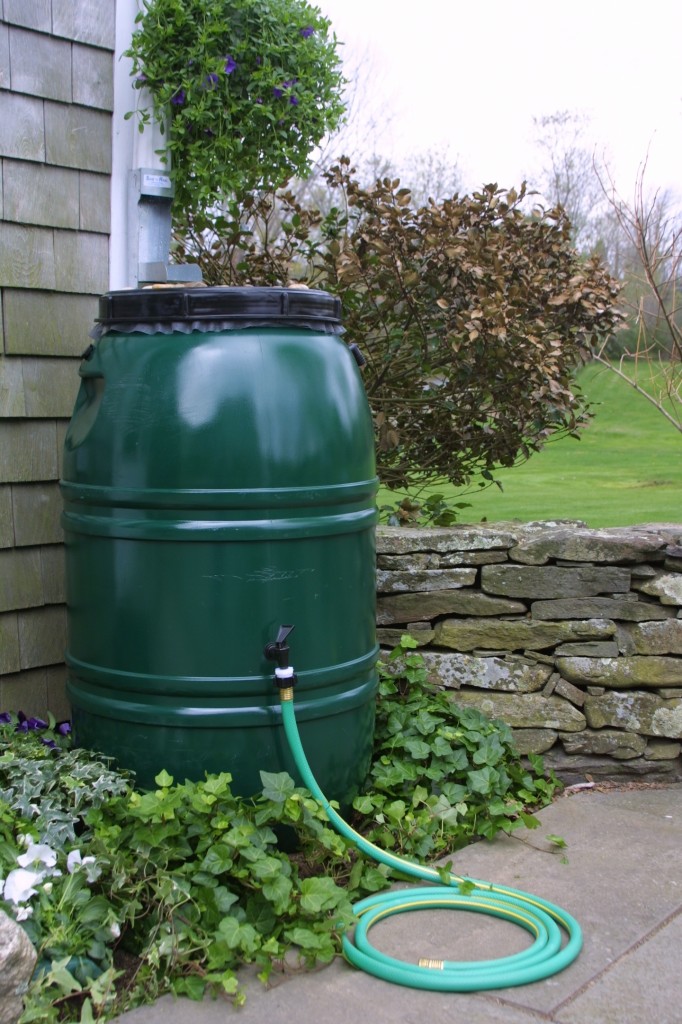
- For a slow, steady supply of water, consider setting up soaker hoses to a gravity-fed rain barrel.

To olla or not?
You can also buy or make your own olla (pronounced OY-yah), a porous, unglazed terracotta container. The concept has been used around the world for thousands of years: burying the pot flush with the soil and filling it with water provides gentle, consistent moisture around plant roots.
Pots are going on sale at local nurseries, so grab a few and try it out. Here’s a resources for DIYing your own:
https://lovelygreens.com/how-to-make-diy-ollas-low-tech-self-watering-systems-for-plants/
Kevin Monroig from Urban Roots Cooperative Garden Market suggests using inverted wine bottles or two-liter bottles for slow water release. For small and medium indoor pots and hanging baskets, the Urban Roots carries a Plant Nanny ($25), which holds water inside a decorative glass orb and a hollow terracotta stake to leach water into the soil.
Formaniak warns that over time, buried ollas will get dirty and collect minerals from the water, so they’ll need to be cleaned to work properly. If plant soil in containers dries out and hardens, it can also clog watering stakes.
Instead, she recommends bottom watering potted plants by filling saucers with water, which lets indoor and outdoor potted plants decide how much moisture to absorb.
Formaniak’s other tip: take hanging baskets down and put them and other containers into a shaded garage with windows or a porch, in saucers of water or a kiddie pool (don’t fill it too much).
And don’t forget…
There are a few other things to keep in mind before you go: weeding (if you feel like it), and making sure edible crops and tall plants are fenced and staked properly to keep them undamaged from weather and pests.
Take a look around your yard at areas that could sustain wind damage; move art objects and cover furniture if needed, and if you’re away a long time, consider unplugging the fountains. Have a friend or relative check in on your pond filter and refill the bird baths and feeders.
Inside plants need some love too. If you’re gone one week, water well before you go, soaking the entire pot, and depending on each plant’s moisture needs, water again when you return. For heavier water needs, use a saucer, just like outside.
If a plant is fully fried upon your return, Formaniak recommends a double soak: water it well, so most of the soil has been saturated. Wait half an hour, come back and water it again. You might be surprised what comes back.
Above all, don’t stress about your garden too much, says Formaniak. Most indoor and outdoor plants prefer being drier than overwatered. “It depends on the weather, the plant and the condition of your soil.”
It is a vacation, after all.
Lauren Newkirk Maynard is the editor of Buffalo-NiagaraGardening.com.
