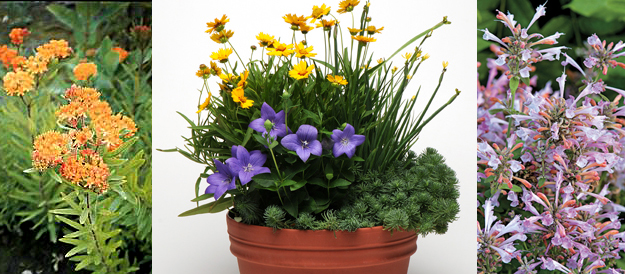
orange butterfly plant and anise hyssop

What to plant for monarchs; learn more at GROW Jamestown Garden Fair

by Connie Oswald Stofko If you’re over 40, you probably remember seeing lots of monarch butterflies when you were a kid. Maybe you even saw the caterpillar form its amazing chrysalis, then emerge as a butterfly. But if you’re younger, you may not have had that experience, said Betsy Burgeson, supervisor of Gardens and Landscapes at the Chautauqua Institution. The number of monarchs has been declining for years, but Burgeson will tell you how you can help increase their numbers by hand-raising monarchs…....

Monthly Subscription Membership Required

You must be a Monthly Subscription member to access this content.

Join Now

Already a member? Log in here
heuchera in Amherst

What perennials should you cut back in autumn & which add winter interest?

There are still lots of things you can do in the garden now. The Master Gardeners of Erie County have posted new articles in WNY Gardening Matters, including one on what to do in the garden in October. One of the tasks addressed was cutting back perennials. For winter interest, many gardeners like to leave rudbeckia, butterfly weed, mums, heuchera and grasses standing, said author Peggy Koppmann. But there are some perennials that just get ugly after frost and are…...

Membership Required

You must be a member to access this content.

View Membership Levels

Already a member? Log in here
stinging nettle

Stinging nettle: weed or crop?

by Paul Hetzler, Cornell Cooperative Extension of St. Lawrence County If you have a nettle patch, put away the weed killer and consider yourself lucky to have this tasty plant. Many gardeners don’t like stinging nettles (Urtica dioica) because they are painful to touch. The plants sprout little hypodermic needles on their stems, leaves and even flowers. These glass-like silica-based needles, called trichomes, inject a mixture of irritating chemicals upon contact. So why would you risk putting it in your…...

Monthly Subscription Membership Required

You must be a Monthly Subscription member to access this content.

Join Now

Already a member? Log in here
perennials in pot and beds

Mischler’s 49-cent perennial sale starts Friday; use perennials in containers & more tips

by Connie Oswald Stofko Mischler’s 49-cent perennial sale starts this week, and today we’re going to talk about using perennials in containers. We’ll also show you a couple of easy-to-maintain flowers that attract pollinators for your garden beds. The sale will be held from Friday, April 28 to Saturday, May 6 at Mischler’s Florist and Greenhouses, 118 South Forest Rd., Williamsville. Hours are 8 a.m. to 5 p.m. Monday through Friday, 9 a.m. to 5 p.m. Saturday and 10 a.m…....

Monthly Subscription Membership Required

You must be a Monthly Subscription member to access this content.

Join Now

Already a member? Log in here
overall view of Bonnie Brooks' yard in Buffalo NY

Native plants and large greenhouse are attractions in this Parkside garden

by Connie Oswald Stofko The yard of Carrie Brooks, 773 Crescent Ave., Buffalo, is filled with plants, and many of them have a story. The forsythia came from a bouquet her daughter gave her. The branches stayed in the vase of water too long and rooted, so she planted them. After the bush has finished flowering, she allows a sweet pea vine to climb up and cover it with its own flowers. Japanese lanterns were used as the table decorations…...

Monthly Subscription Membership Required

You must be a Monthly Subscription member to access this content.

Join Now

Already a member? Log in here
bee flying into hosta flower in Amherst NY

Help bees, butterflies & other pollinators

by Connie Oswald Stofko Whether we want to grow food or enjoy beautiful flowers, pollinators are so important to our gardens that an entire week has been dedicated to them. About 75 percent of all flowering plants rely on animal pollinators, according to Pollinator Partnership, which works to protect the health of these animals that are vital to not only our gardens, but to agriculture and our ecosystem. The group initiated Pollinator Week, held this year from June 15-21, out…...

Monthly Subscription Membership Required

You must be a Monthly Subscription member to access this content.

Join Now

Already a member? Log in here

Fascinating green roof project under way in Springville; you can help

by Connie Oswald Stofko The Springville Center for the Arts is seeking volunteers to start seedlings for its green roof project. You’ll get seeds that you are asked to start in containers and nurture until they’re ready to be transplanted onto the green roof. You don’t have to live in Springville to participate. In addition to the seedling program, volunteers are needed for the installation of the green roof on the building that the arts center is rehabilitating at  5 East Main…...

Monthly Subscription Membership Required

You must be a Monthly Subscription member to access this content.

Join Now

Already a member? Log in here
sunchokes in pot in Amherst NY

Control sunchokes by planting them in pots; I’ll share sunchokes with you

What’s not to like about sunchokes? They grow dramatically in one season, reaching heights of 10 feet. In September, when other plants are losing steam, sunchokes are just starting to flower. They add a lot of interest to your garden. Plus you can eat them! Find out more about sunchokes  (also called Jerusalem artichokes) here. I have to admit there is one drawback with sunchokes– The roots do spread a lot. The root is the part you eat, and even…...

Monthly Subscription Membership Required

You must be a Monthly Subscription member to access this content.

Join Now

Already a member? Log in here
herb garden at Buffalo Niagara Heritage Village

Get tips from history to deal with a combination of dry and wet conditions in your garden

by Connie Oswald Stofko A combination of gardening problems faces Buffalo Niagara Heritage Village, the 35-acre historical interpretive center in Amherst that showcases 19th century buildings set up like a village. Much of the landscape is boggy, so gardens can be wet early in the season. In addition, there’s no irrigation system, and hoses can’t reach all the gardens, so there’s no easy way to water plants during the dry summer months. To deal with these conditions, Buffalo Niagara Heritage…...

Monthly Subscription Membership Required

You must be a Monthly Subscription member to access this content.

Join Now

Already a member? Log in here
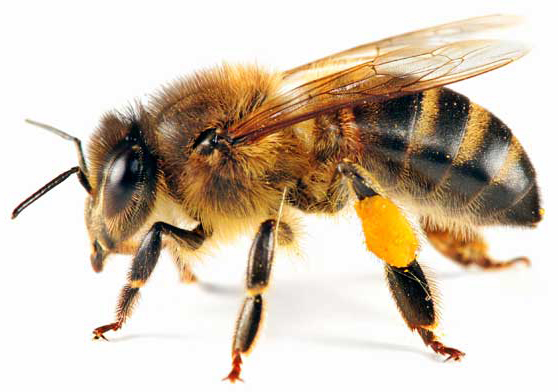
bee from Buffalo and Erie Botanical Gardens

You can help protect bees from toxins; learn more at Honey Bee Festival

by Connie Oswald Stofko Let the clover and dandelions grow in your lawn. Minimize your pesticide use, too, especially on flowers that are attractive to honey bees. Those are ways gardeners can help with the problem of Colony Collapse Disorder, said Reed Johnson, assistant professor in the Department of Entomology at the Ohio State University. Dr. Johnson will speak at 11 a.m. Saturday, May 3 at the Honey Bee Festival at the Buffalo and Erie County Botanical Gardens, 2655 South…...

Monthly Subscription Membership Required

You must be a Monthly Subscription member to access this content.

Join Now

Already a member? Log in here