

By Sally Cunningham
While many mourn the passing of the summer season, with its parties, guests, and garden splendor, it is far from over. September can be the most productive month for improving what we have, and making 2027 gardens even better.

Plant bulbs
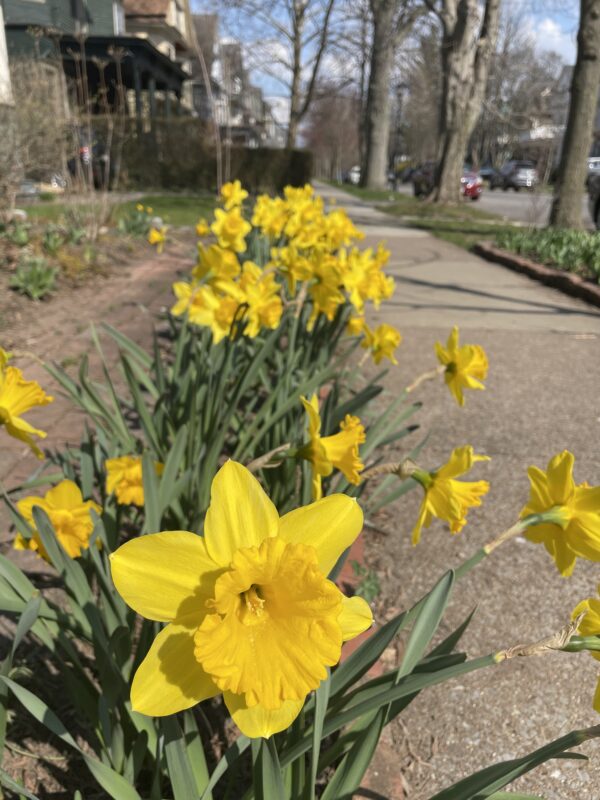
Perhaps no plant group is easier and has more impact than fall-planted bulbs for spring bloom. Check out garden centers and catalogues (such as Color Blends, or Brent and Becky’s Bulbs). All types of narcissus (daffodils) flourish here, multiplying easily over the years, and they are unattractive to rabbits and deer. The animals do eat tulips, which are gorgeous but don’t multiply generously (except some smaller species). Camassia, hyacinths, grape hyacinths, alliums, crocuses, and snowdrops are among the many bulbs that give joy. You can plant until the ground freezes but early fall is best. Observe recommended soil and depth instructions, and remember: Roots go down, points go up, and more is better.
Perennial and houseplant care
After they flower, leave seedy flower stalks standing for the birds or to encourage spreading. Cut back others to a few inches above the crown. If you bring houseplants and tropical plants inside, time it so their change is gradual—before the furnace comes on.
Lawn and landscape layout
Was your lawn trampled or drought-damaged? Much lawn repair (re-seeding, fertilizing, soil repair) is done in fall. Get help from PlantWNY turfgrass professionals now before Spring overwhelms them. Is all that lawn attractive or needed? Maybe add, consolidate, or expand landscape beds or islands. Perennials, shrubs, and trees (especially natives) support eco-systems and are usually easier than lawn care. Where you want lawn or grassy paths, do it right.
Build new beds
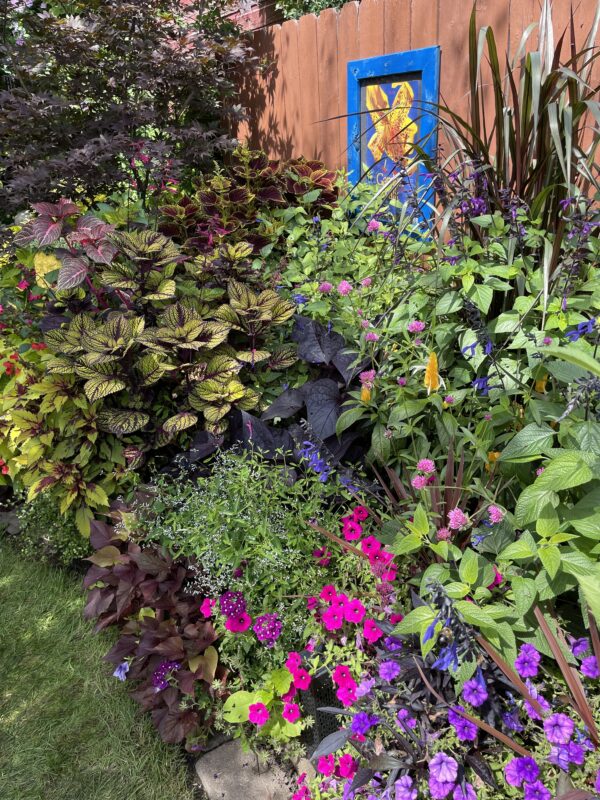
Make an outline where you want them, then remove the weeds and grass. Pile on organic matter (chopped leaves, straw, compost, or quality garden soil such as the Big Yellow Bag). Cover it all with tarps, cardboard, or heavy black plastic to prevent weed growth and encourage decomposition over winter. If it looks ugly, spread mulch on it (and snow will come.)

Choose and assess plants
What to remove, add, or multiply? Which perennials and shrubs were high-maintenance with little payoff, and which were “wow?” You can divide, move, and plant most hardy plants this month as long as you have substantial root balls, wide holes with prepared (compost-rich) soil, and you commit to watering well while they get established. Learn which plants don’t tolerate moves in fall, and which need winter protection. For tree longevity and the safety of your property, talk with professional arborists before the next storms. More years with challenging weather will surely come, so plan for it.
To prune or not to prune
This is NOT the time of year to prune or “clip” most shrubs and trees, with some exceptions. If you have obtrusive branches—hitting the house, blocking the window or sidewalk, or threatening property or family, then of course cut them back properly. (Learn correct pruning cuts or call the arborist.) Cut out dead or diseased branches. However, pruning or clipping to tidy up the shrubs is not good horticulture. Why? Every pruning cut encourages new growth—the wrong activity now, when plants should be focused on root growth and going dormant. Except for spring bloomers such as lilacs, late winter/ early spring is pruning time.
The more you learn, the better it gets.

Sally Cunningham is a horticulturist, speaker (gardens/ecology) and author of Great Garden Companions (Rodale Books), Buffalo-Style Gardens with Jim Charlier (St. Lynn’s Press), and Dreaming in Ink II (short story anthology). www.sallycunningham.com.
