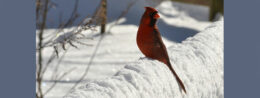
plants in winter in Amherst NY

What you need to know about plant hardiness zones in Western New York

See updated information in the Nov. 21, 2023 article: Your Western New York garden may be in a new plant hardiness zone by Connie Oswald Stofko When you’re buying perennials (or trees and shrubs), you want plants that will survive the winter and come back the next year. What plants will work for you depends on where you live. The 2012 USDA Plant Hardiness Zone Map is the standard that helps you determine which plants are most likely to thrive…...

Membership Required

You must be a member to access this content.

View Membership Levels

Already a member? Log in here
monarch flying off swamp milkweed

Why you should bother with Earth Day in WNY

by Connie Oswald Stofko Those are just three changes that I’ve seen in Western New York since the first Earth Day in 1970. These changes didn’t come quickly. They didn’t happen easily. But they happened. They happened because people cared. And a person did something. They spoke up. They changed other people’s minds. They changed their own habits. Take the example of trash. It used to be common to toss your pop can out the car window when you were…...

Membership Required

You must be a member to access this content.

View Membership Levels

Already a member? Log in here
monarch flying off swamp milkweed

Monarchs are in danger; how you can help in Western New York

by Connie Oswald Stofko Monarchs should be on the endangered species list, said Jay Burney, executive director of the Pollinator Conservation Association (PCA), based in Western New York. For years there has been a massive decline in monarch butterflies, but last year the United States Fish and Wildlife Service (FWS) declined to add the monarch to the endangered species list, Burney said. The FWS said there will be a yearly review and the monarch will stay in the running for…...

Membership Required

You must be a member to access this content.

View Membership Levels

Already a member? Log in here
cardinal in snow by Stofko

Where have the birds gone & what can gardeners do about it?

by Connie Oswald Stofko Have you noticed that you haven’t had as many birds at your bird feeder lately? The cause is simple: lack of snow. Something you probably didn’t notice is that the number of birds in North America is down by almost 3 billion birds since 1970. That’s a big concern, but there are things that gardeners can do to help. No birds at your feeder? A reader left this comment on a previous article: I live in…...

Membership Required

You must be a member to access this content.

View Membership Levels

Already a member? Log in here
happy flower, sad flower

Why bad things happen to good plants, & more from Master Gardeners

If your plant dies, it may not be your fault. Learn “Why Bad Things Happen to Good Plants” by Carol Ann Harlos in the newest edition of WNY Gardening Matters. Your plant could be immune to pathogens in the environment. But what happens when those pathogens change? Read more here. Other articles in this issue are: WNY Gardening Matters is produced by the Master Gardeners of Cornell Cooperative Extension in Erie County…....

Membership Required

You must be a member to access this content.

View Membership Levels

Already a member? Log in here
collage on climate change

How gardeners can understand & adapt to climate change

by Connie Oswald Stofko What does climate change mean for your garden? As the climate continues to change, how will you, as a gardener, keep up with the changes? This is Climate Week, and in this article we’ll bring you some resources to help you understand climate change and adapt as a gardener. Ebook on climate change for gardeners What do you see when you look at your garden? A flower here, a tree there, a butterfly over yonder? Your…...

Membership Required

You must be a member to access this content.

View Membership Levels

Already a member? Log in here
monarch caterpillar

Help scientists through Caterpillars Count!

Due to climate change, the growing season in Western New York starts earlier than it did in the past. Are caterpillars and birds emerging earlier as well? Caterpillars Count!, a citizen science project, could use your help to find out if plants, insects and birds are all responding to ongoing changes in climate to the same degree. You can participate by counting arthropods such as caterpillars, beetles and spiders through Wild Spirit Education, located at 11511 Bixby Hill Rd., Delevan. You can also count…...

Membership Required

You must be a member to access this content.

View Membership Levels

Already a member? Log in here
snow and Autumn leaves in Amherst NY

New tool helps you understand climate change in your garden

by Connie Oswald Stofko Find out how climate change is affecting your garden through a new online tool that provides county-level information on how the climate has changed since 1950 and what you can expect in the future. Called Climate Change in Your County, the tool was launched recently by the Cornell Institute for Climate Smart Solutions. It tracks average annual temperatures, high and low temperature trends, length of growing season and annual growing degree days. It also offers precipitation trends and…...

Membership Required

You must be a member to access this content.

View Membership Levels

Already a member? Log in here
sunchokes in Western New York

Septembers are getting warmer in most of WNY; what gardeners can do

by Connie Oswald Stofko If you were still running your air conditioner on Friday, you won’t be surprised to hear that so far September was 6 degrees warmer than normal in Buffalo. That information comes from Dan Kelly, meteorologist with the National Weather Service in Buffalo. While that data goes from Sept. 1 to the end of yesterday (Sept. 24), we are now in for a cooling period with more normal temperatures, he said. But we should probably expect this as…...

Membership Required

You must be a member to access this content.

View Membership Levels

Already a member? Log in here
map of climate zones in Western New York

Our growing season is longer: What gardeners need to know about climate change in WNY

by Connie Oswald Stofko Our growing season in Western New York is longer than it used to be– two weeks longer than it was in 1965, according to Stephen Vermette, professor of geography in the Department of Geography & Planning at Buffalo State College. Now the growing season starts about a week earlier in spring and lasts about a week longer in autumn. This is just one of the findings of Vermette’s research into how climate change is affecting Western…...

Membership Required

You must be a member to access this content.

View Membership Levels

Already a member? Log in here