

In a multi-part series, Buffalo-NiagaraGardening.com takes a look at soil contamination in WNY and what local gardeners can do about it. First, a new project on the East Side aims to help residents combat harmful lead levels in their yards.
By Laurie Ousley
When we think about soil, we often think about amendments and compost, clay, and sandy loam. We think about what our gardens need to thrive. But in this old city, in this post-industrial region, there’s something else we need to consider when we think about soil: contaminants such as lead.
Lead contamination is not just an environmental issue; it’s also an issue of equity. Communities are not affected equally, and disadvantaged neighborhoods are more likely to be contaminated. This contamination reflects decades of overlapping industrial and residential pollution. On the East Side, potential sources of contamination include former industrial sites such as the Northland, a former superfund site, and the former General Motors plant; aging lead water pipes; older housing with deteriorating lead-based paint; and the Kensington Expressway (Route 33).
The extent of the problem became clearer through the East Side Soil Project, led by Dr. Jim Golden, director of ecological justice for Open Buffalo, in collaboration with community members and research partners. Supported by a grant from the New York State Department of Environmental Conservation, the project investigated lead contamination in residential soil in order to help residents better understand the risks and advocate for solutions.
The EPA’s standard for safe soils is 200 parts per million, although much lower concentrations can pose a significant risk to young children, especially those younger than five.
The East Side is not alone. Lead contamination in soil is a concern throughout Buffalo and Golden and others have begun to study neighborhoods in other parts of the city. The East Side Soil Project brings important attention to one community’s experience, but gardeners throughout Buffalo Niagara should be mindful of what may be in our soil.
The EPA’s standard for safe soils is 200 parts per million, although much lower concentrations can pose a significant risk to young children, especially those younger than five. When combined with contamination from lead pipes and house paint, the level requiring immediate action drops to 100 ppm.
The findings are striking. According to the project report, on the 138 East Side properties that were tested:
- The average lead level was 642 ppm.
- 92% of the properties tested has at least one sample over 200 ppm
- 68% of the properties tested has at least one result over 400ppm
- The average lead concentration is 705 ppm
These numbers are more than statistics. Understanding what may be in our soil is an essential first step toward protecting ourselves, our families, and our communities.
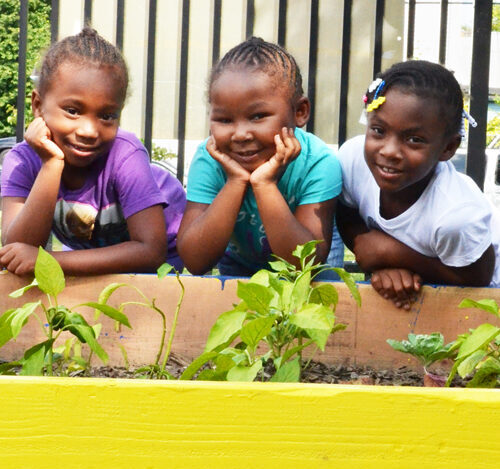
Open Buffalo works on environmental justice and community-based solutions to pollution. The organization has received grant support for efforts to help residents reduce exposure to contaminated soil, including a program providing raised beds filled with clean soil. Raised beds can provide a practical alternative for growing vegetables and flowers where existing ground soil may be contaminated.
In future articles, we’ll offer information and resources about who can test your soil, how this is done, and what to do if your garden soil tests positive for lead or other contaminants.
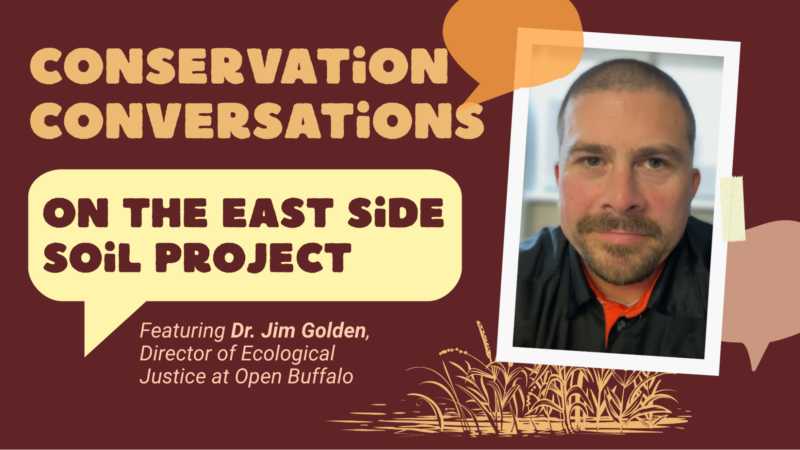
In the meantime, you can learn more about the East Side Soil Project from Dr. Jim Golden, who will be speaking as part of the Buffalo Niagara River Land Trust’s Conservation Conversations on Wednesday, November 11, 2026, 52 Amherst Street at 7pm. FREE admission. Please register here.
Laurie Ousley is development director at Buffalo Niagara River Land Trust and served as president of Gardens Buffalo Niagara from 2018-2026.
