


On checking temptation, hitting thugs where they hurt, and above all, enjoying your patch of heaven.
By Peggy Koppmann
I saw a quote recently that said, “I garden, therefore I am.” With apologies to Descartes, I believe that to be true for gardeners. As June arrives, acts of gardening are part of our very existence. We plan and plant to feed our families, to support pollinators, to sustain our environment, and to create beauty. We are the face of resistance in a world of plastic and pompousness. Stay real.
But, the Ants…
Teeny, tiny ants on peonies are enough to scare some gardeners off growing peonies, foregoing those spectacular blooms and sturdy plants that provide structure in the perennial border. Peonies don’t have to flop; they just need peony rings or other supports to keep them tall and strong. Remove the dead blossoms by cutting the stem so that the cut is hidden below the foliage. And, the ants are just there for the sugar high.
Look it up here: https://www.bloomingbackyard.com/ants-peonies/. Just shake off the ants before you bring the blooms in the house. Check out the 2025 Peony of the Year, ‘Soft Salmon Saucer’ for a stunning addition to your garden.
Hi, Joe
If you are looking for a tall, beautiful, native, pollinator-magnet plant, say “Hi” to joe-pye weed. A butterfly magnet, attracting small skippers, swallowtails, and monarchs, joe-pye also provides nectar and pollen for a wide range of bee species and other beneficial insects. It will tolerate both moist to wet conditions as well as a sunny meadow, but it is not drought tolerant. The large blooms that range from pinkish/lavender/purple and appear in summer and early autumn are made up of a number of small florets on strong, straight stems. Joe-pye is both rabbit and deer-resistant.
See https://plantnative.org/native-plants/joe-pye-weed-eupatorium-fistulosum.htm for more information.
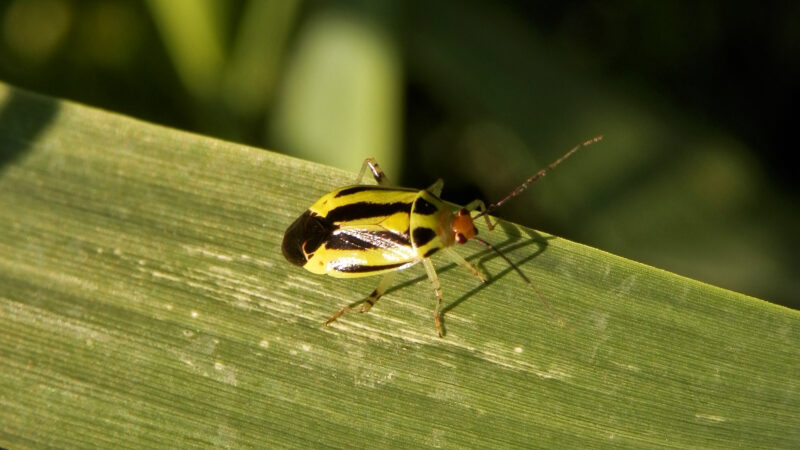
Watch for Racing Stripes
Four, black, long “racing stripes” give the four-lined plant bug (Poecilocapsus lineatus) its name. They are hard to spot, given they are about a quarter inch in length and disappear below the foliage in a flash. But their damage can be seen in tiny, round, sunken pockmarks on viburnum, daisies, lavender, geraniums, sage, mums, basil, peonies, and many other plants. The eggs overwinter in plant stems, and the tiny nymphs mature over a few weeks, emerging to do damage in late May, early June, and even into July. Damage is generally aesthetic, so treatment is not productive. Since there is only one generation in a season, you can pinch off spoiled plant growth to encourage new foliage.
More information can be found here: https://extension.umn.edu/yard-and-garden-insects/four-lined-plant-bugs
Temptation and Torture
‘Tis the season to be tempted by beautiful blooms and big dreams. Visiting a nursery becomes an exercise in self-control. Experienced gardeners have learned to set parameters for themselves to avoid getting overwhelmed and buying plants they don’t need, have space for, or the right conditions for. Make a plan. Decide on a color scheme. Know your sun exposure, soil and moisture conditions, and available space.
Save yourself from the torture of losing yet another plant that just didn’t want to live in your yard. Take it from one who has tried (and failed) to grow lupines for years. Save yourself, your pocketbook, and your plants.
Springtime Sleepyheads
Some perennials break dormancy much later than others and given our cool spring, they may take their sweet time appearing in the garden. Butterfly weed, hardy hibiscus, ornamental grasses, milkweed, joe-pye weed, and shrubs such as clethra, the ‘Annabelle’ hydrangeas, and caryopteris often appear late enough to make gardeners question if they are dead. Red hot poker, Russian sage, and buttonbush fall in the same category.
Be aware, be observant, and be patient. This is where a map of your garden plants comes in handy to remind you of their location. Flag your calendar to stake their locations in the fall, so you’ll know where to look in the spring.
Overachievers in the Garden
Also known as “thugs,” some plants just want to take over. They imbed themselves within the stems of wanted plants, spread through underground rhizomes or self-seed everywhere. Weeds like mugwort, goutweed, or ground elder; herbs such as lemon balm and mint; and perennials like bugleweed or black-eyed Susans will take over your gardening world if you let them.
Do your research before adding new plants to your garden and make sure them will not overtake or require high maintenance to control their spread. Use container planting, monitor the seedlings, and cutback flowers to reduce self-seeding.
Start your homework here: https://extension.illinois.edu/blogs/welcome-my-jungle/2020-06-01-editing-aggressive-plants-garden.
And then…
Watch for cucumber beetles; WEED; harvest strawberries regularly; finish pruning spring flowering shrubs; thin overladen fruit trees; WEED; pinch back mums, asters and tall sedums; water deeply and less often; pull off dead flowers of rhododendron and azaleas to allow the new shoots to emerge; WEED; plant heat-resistant salad greens, radishes, carrots, parsnips, and beets; check for iris borers; soak up the sunshine and joy of the June garden.
Peggy Koppmann is a Cornell Cooperative Extension Erie Master Gardener Volunteer and a longtime contributor to CCE Erie’s newsletter, Gardening Matters (and to this website).

The rabbits are pinching EVERYTHING this spring!
I’ve never pinched back asters; the rabbits always do that for me!