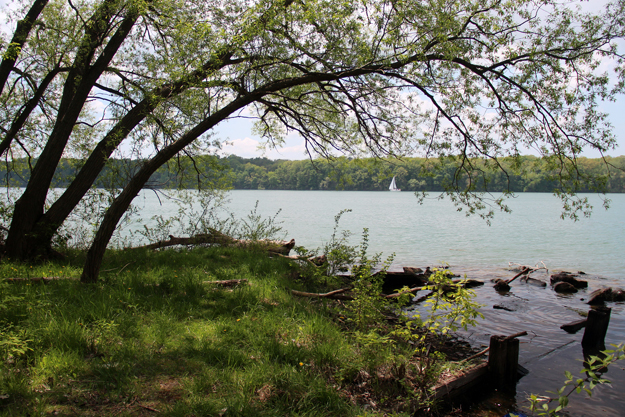
lesser celandine in Buffalo NY by Mike Fabrizio

Get rid of lesser celandine– It’s pretty, but it will take over your lawn

by Connie Oswald Stofko I’ve been noticing the pretty yellow blooms of lesser celandine all over my neighborhood. It’s pretty, but it can take over your lawn. Here’s an email I recently got from a reader: I have this weed and it is now covering my entire back yard and is headed into the front. I literally have one-eighth of my back  lawn left.  I have been digging it out for years and years and it just keeps multiplying. There…...

Membership Required

You must be a member to access this content.

View Membership Levels

Already a member? Log in here
garden courtesy Kerry Ann Mendez

A garden where you can have it all: Find out how at Erie County Master Gardener event

by Connie Oswald Stofko If you do it right, you can have pretty flowers while helping the environment–  and save time and money, too! Kerry Ann Mendez, garden designer, writer, speaker and consultant, will show you how to do that in two talks during the Education Day to be held by the Cornell Cooperative Extension of Erie County Master Gardener Program. She shared some of her tips with me in a phone interview. Details on Education Day For the first…...

Membership Required

You must be a member to access this content.

View Membership Levels

Already a member? Log in here
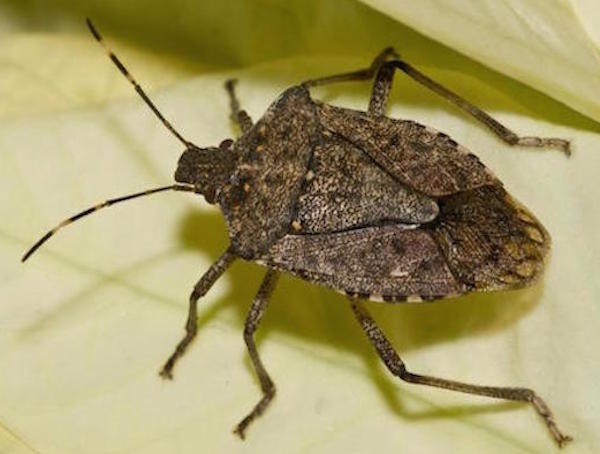
Brown marmorated stink bug

There’s a new bug in Western New York and it might eat plants in your garden

by Dana Santasiero There’s a new bug in Western New York and there are two main things you need to know about it. First, the brown marmorated stink bug (BMSB) is called a stink bug because when you step on it, it smells. Second, it could eat the plants in your garden. The good news is even though it is big and ugly, it won’t hurt you. You might find it in your house over the winter but it’ll just be…...

Membership Required

You must be a member to access this content.

View Membership Levels

Already a member? Log in here
UB GROW House

Dream house for urban gardeners built by UB students took second place in competition

  by Dana Santasiero The GROW House is a dream for urban gardeners, especially in Western New York. Imagine being able to grow food during our harsh winters in our own homes. This is the idea of a team of students at the University at Buffalo who built the GROW House, an energy-efficient house that includes a greenhouse, which recently won second place in a national competition for solar energy called U.S. Department of Energy Solar Decathlon 2015. Being such…...

Membership Required

You must be a member to access this content.

View Membership Levels

Already a member? Log in here
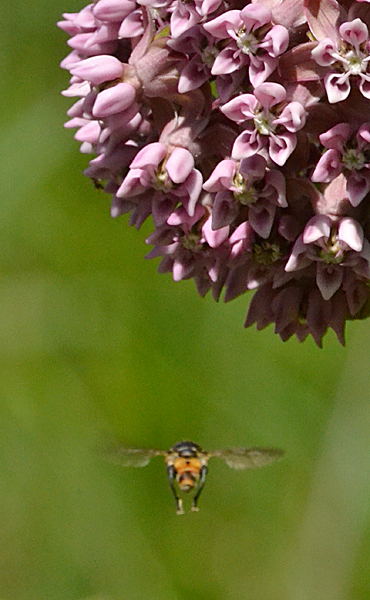
bee and milkweed flower in Buffalo

Indigenous knowledge and biodiversity to be topic of noted speaker

Robin Wall Kimmerer, Ph.D., a member of the Potawatomi nation and a professor of environmental science, will speak on her culture and biodiversity at the meeting of the Niagara Frontier Botanical Society at 7 p.m. Tuesday, Nov. 10 at the Burchfield-Penney Art Center, 1300 Elmwood Ave., Buffalo. Dr. Kimmerer will present “The Honorable Harvest: Indigenous Knowledge for Biodiversity Conversation.” Dr. Kimmerer is a distinguished teaching professor of Environmental and Forest Biology at SUNY College of Environmental Science and Forestry in Syracuse. She…...

Membership Required

You must be a member to access this content.

View Membership Levels

Already a member? Log in here
raised bed made with cinder blocks

Are cinder blocks OK for vegetable gardens? Answers to that & other soil safety questions

by Connie Oswald Stofko Is it safe to use cinder blocks in a raised bed, or might chemicals from the concrete blocks leach out of the blocks to contaminate your soil and food plants you grow there? Can you use pressure treated lumber? Can you grow food plants in the hellstrip, the area between the street and sidewalk? John Farfaglia, extension educator with Cornell Cooperative Extension in Niagara County, responded to my questions on soil safety. Cinder blocks in raised…...

Membership Required

You must be a member to access this content.

View Membership Levels

Already a member? Log in here
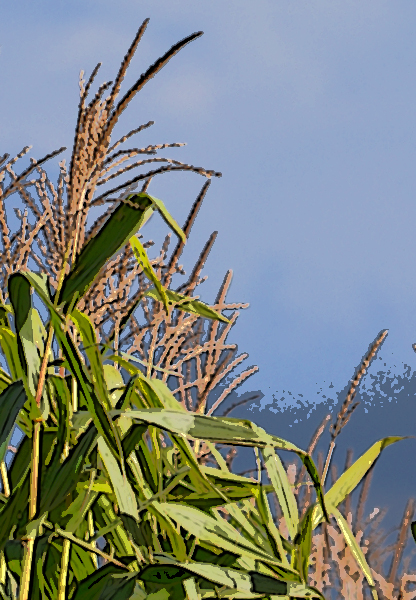
corn tassles poster by Stofko

Learn about biotechnology and its effects in a three-part webinar series

What is biotechnology? What effect does it have on our environment? Learn more in this three-part webinar series with a panel of six university researchers sharing their perspectives on biotechnology in our food production systems. Each session will end with an audience Q & A. Join the conversation. A webinar is a live meeting that takes place on the internet. You can listen to the presenters and type in your question at the end. Part 1: Wednesday, Sept. 23, noon – 1…...

Membership Required

You must be a member to access this content.

View Membership Levels

Already a member? Log in here

Learn how to have a pretty garden while being kind to the environment at Lockwood’s Fall Fair

by Connie Oswald Stofko We gardeners want to be kind to the environment, but it can seem so complicated. We may know that we should have a sustainable landscape, though many of us probably can’t define exactly what that means. We should be organic, which encompasses so many different gardening practices. Can we do it all and have a pretty garden at the same time? Yes, and gardening expert Sally Cunningham will tell you how during a talk at 10…...

Membership Required

You must be a member to access this content.

View Membership Levels

Already a member? Log in here
bee flying into hosta flower in Amherst NY

Help bees, butterflies & other pollinators

by Connie Oswald Stofko Whether we want to grow food or enjoy beautiful flowers, pollinators are so important to our gardens that an entire week has been dedicated to them. About 75 percent of all flowering plants rely on animal pollinators, according to Pollinator Partnership, which works to protect the health of these animals that are vital to not only our gardens, but to agriculture and our ecosystem. The group initiated Pollinator Week, held this year from June 15-21, out…...

Membership Required

You must be a member to access this content.

View Membership Levels

Already a member? Log in here
bee from Buffalo and Erie Botanical Gardens

You can help protect bees from toxins; learn more at Honey Bee Festival

by Connie Oswald Stofko Let the clover and dandelions grow in your lawn. Minimize your pesticide use, too, especially on flowers that are attractive to honey bees. Those are ways gardeners can help with the problem of Colony Collapse Disorder, said Reed Johnson, assistant professor in the Department of Entomology at the Ohio State University. Dr. Johnson will speak at 11 a.m. Saturday, May 3 at the Honey Bee Festival at the Buffalo and Erie County Botanical Gardens, 2655 South…...

Membership Required

You must be a member to access this content.

View Membership Levels

Already a member? Log in here