

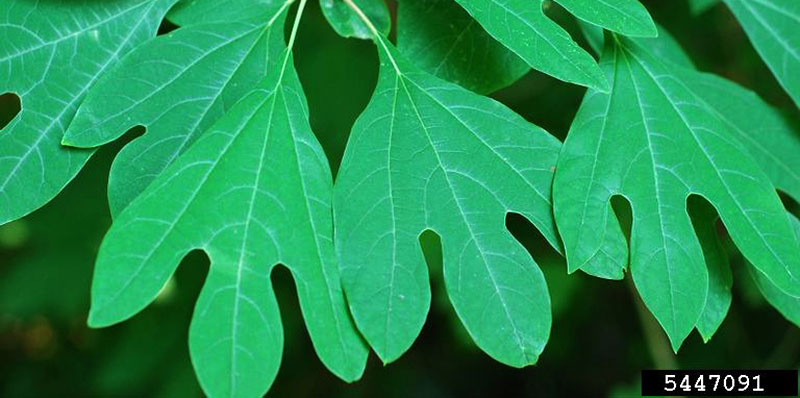
Two native species of trees, sassafras and spicebush, are at risk of an invasive fungal disease called laurel wilt.
The disease has been detected on Long Island. It’s the first detection of the disease in New York State.
Note: Mountain laurel, despite its name, is not in the same family and isn’t impacted by the disease. Also, spicebush is relatively small; it can be grouped as a shrub or as a small tree.
The groups working on this are:
- New York State Department of Environmental Conservation (DEC)
- New York State Department of Agriculture and Markets (AGM)
- Cornell Cooperative Extension (CCE) of Suffolk County
- Cornell University Plant Disease Diagnostic Clinic (CU-PDDC)
Why we don’t want laurel wilt in WNY
The loss of sassafras and spicebush could have wide-ranging impacts on southern New York’s forests and wildlife, according to the New York State Department of Environmental Conservation (DEC).
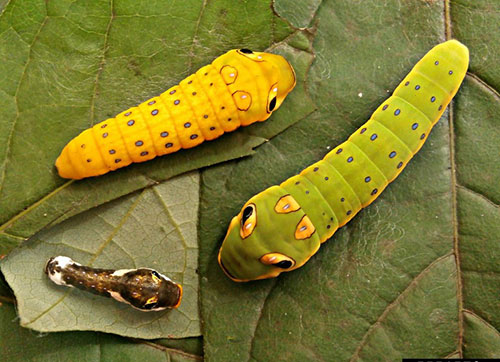
Sassafras and spicebush both provide food and shelter for birds, pollinators and mammals. Spicebush berries are a critical fall food source for migratory birds. The leaves of both spicebush and sassafras support the larvae of native butterflies, such as the spicebush swallowtail.
If sassafras and spicebush decline, it would reduce forest diversity and weaken natural food webs. It would also make native forests more susceptible to invasive plants.
More about laurel wilt
Laurel wilt is spread by the invasive redbay ambrosia beetle, which introduces the fungus when it tunnels into the stems and branches of host plants, leaving behind the fungal spores.
Originating in Asia and first identified in the U.S. in Georgia in 2002, laurel wilt is now present in multiple southeastern states. The northernmost cases have occurred in Kentucky and Virginia, and now it is in Long Island.
Signs of laurel wilt
Laurel wilt causes rapid decline in sassafras and spicebush. Signs and symptoms to look for include:
- Sudden wilting of leaves
- Dark streaking of sapwood (Sapwood is a layer of living tissue beneath the bark.)
- Small entry holes on the branches, trunk or roots, which are sometimes surrounded by fine sawdust-like “toothpicks” pushed out from the bark.
What you can do
The Long Island case originated when a private landowner observed a dying sassafras on their property this summer and sent a sample to the Suffolk County Cornell Cooperative Extension. From there the sample went to two different labs to confirm the fungus.
If you see any diseased tree, even in your own yard, see “Sick tree? Get help for free.”
If you think a tree may have laurel wilt or be diseased by any invasive species, you can submit a report through NY iMapInvasives.
What not to do
- Don’t move or transport branches, trunks or bark from symptomatic sassafras or spicebush, even for disposal. Chip dead wood and use it as mulch on-site.
- Don’t spread invasive species. People often use wood from trees that have died on their property as firewood when they go camping, which can allow invasive pests and diseases to spread long distance in a short period of time.
- To help stop the spread of laurel wilt and other invasives, follow the NYS Firewood Regulation and use local or heat-treated firewood.